




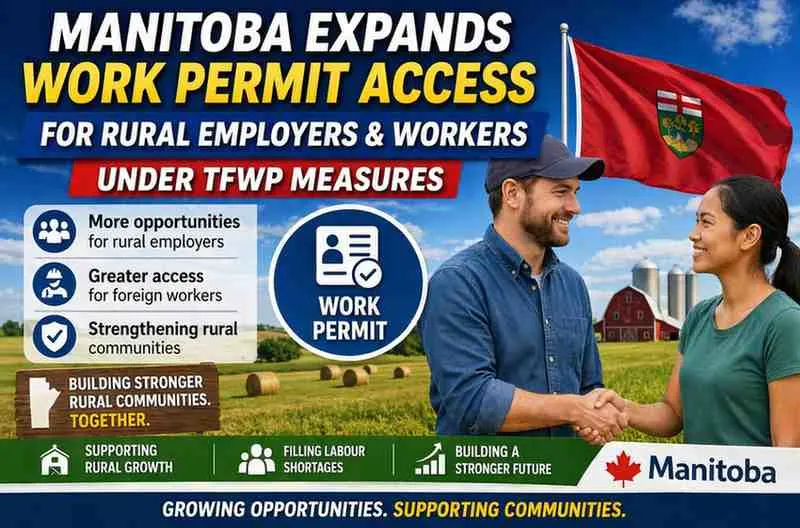
Manitoba Expands Work Permit Access for Rural Employers and Workers Under TFWP Measures
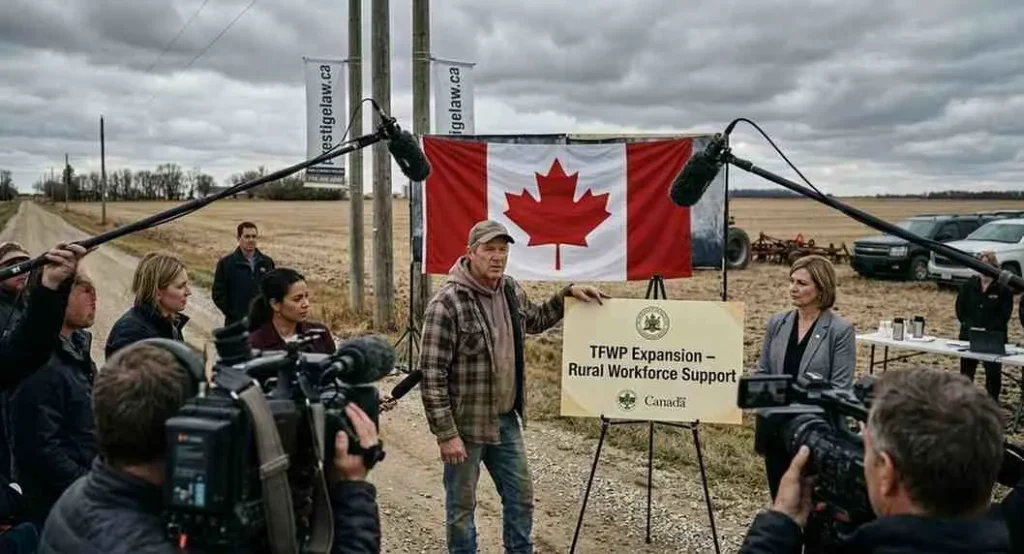
A Strategic Shift That Changes the Game
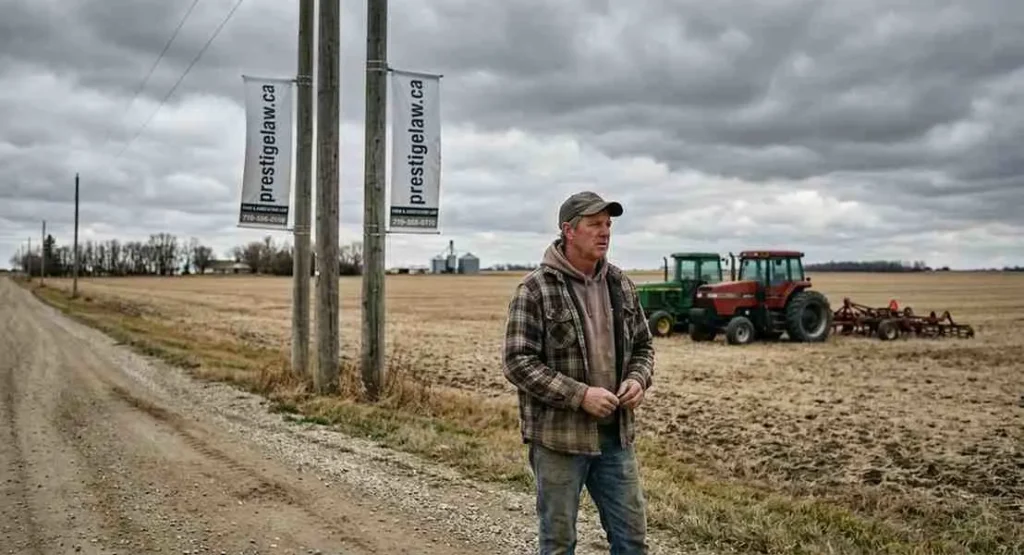
Right now, across rural Manitoba, businesses are facing a quiet but critical challenge—finding and retaining reliable workers. Farms are short-staffed. Hospitality services are stretched thin. Healthcare facilities are operating under pressure. The demand is real, and the gap is widening.
In response, the Manitoba TFWP work permit expansion
By expanding access to work permits under the Temporary Foreign Worker Program (TFWP), the province is not just reacting—it’s restructuring its workforce strategy. These new measures are designed to empower rural employers while opening meaningful opportunities for foreign workers seeking stability, growth, and a pathway into Canada’s workforce.
This is not a minor update. It’s a structural shift that could redefine how rural economies in Canada grow and sustain themselves.
Understanding the Temporary Foreign Worker Program (TFWP)
To understand the impact of these changes, it’s essential to first understand how the Temporary Foreign Worker Program operates.
The TFWP allows Canadian employers to hire foreign nationals when qualified Canadian citizens or permanent residents are not available for specific roles. It is particularly critical in sectors where local labor shortages are persistent and difficult to resolve.
Historically, the program has been tightly regulated, requiring employers to meet strict conditions, including obtaining a Labour Market Impact Assessment (LMIA). While this ensures fairness, it has also created barriers—especially for smaller, rural employers who lack resources to navigate complex procedures.
Manitoba’s new approach aims to address exactly that.
Why Rural Manitoba Needs This Expansion
Urban centers often attract the majority of skilled workers, leaving rural communities at a disadvantage. This imbalance has long-term economic consequences:
- Reduced productivity in agriculture and manufacturing
- Limited expansion opportunities for small businesses
- Increased operational costs due to understaffing
- Declining population growth in rural areas
Manitoba recognizes that rural regions are not just peripheral—they are foundational to the province’s economy.
By expanding TFWP access, the province is actively targeting these pain points, ensuring that rural employers are no longer left behind.
Key Highlights of Manitoba’s New TFWP Measures
1. Easier Access for Rural Employers
One of the most impactful changes is the simplification of hiring processes for rural businesses. Employers in designated rural areas now benefit from:
- Streamlined application procedures
- Reduced administrative complexity
- Faster processing timelines
This directly lowers the barrier to entry for small and medium-sized enterprises that previously struggled to participate in the program.
2. Broader Eligibility Across Industries
Previously, certain sectors had limited access to foreign workers under TFWP. Manitoba has expanded eligibility to include a wider range of industries, such as:
- Agriculture and agri-food processing
- Healthcare and caregiving
- Hospitality and tourism
- Construction and skilled trades
This diversification ensures that multiple sectors can stabilize and grow simultaneously.
3. Improved Pathways for Foreign Workers
For foreign workers, these measures are more than just job opportunities—they represent a chance to build a future in Canada.
Benefits include:
- Increased availability of job offers in rural regions
- Better chances of long-term employment
- Potential pathways toward permanent residency through provincial programs
This makes rural Manitoba a more attractive destination compared to highly competitive urban centers.
4. Focus on Community Integration
Manitoba is not just bringing workers into rural areas—it’s ensuring they stay and thrive.
The new approach emphasizes:
- Community support programs
- Employer accountability for worker well-being
- Encouragement of long-term settlement
This reduces turnover and helps build stable, sustainable communities.
What This Means for Employers
For rural employers, the implications are immediate and significant.
Solving Labor Shortages
Access to a broader talent pool means businesses can finally fill positions that have remained vacant for months—or even years.
Increased Productivity
With a stable workforce, businesses can operate efficiently, meet demand, and scale operations without constant disruption.
Competitive Advantage
Employers who adopt these new measures early will gain a strategic edge over competitors still struggling with staffing issues.
Reduced Hiring Stress
Simplified processes mean less time spent on paperwork and more focus on business growth.
What This Means for Foreign Workers
For individuals looking to work in Canada, Manitoba’s expansion creates a strong opportunity.
Access to Genuine Job Opportunities
Rural employers are actively seeking workers, increasing the likelihood of job placement.
Lower Competition
Compared to major cities like Toronto or Vancouver, rural areas offer less saturated job markets.
Better Quality of Life
Many rural communities provide affordable living, safer environments, and a strong sense of community.
Pathway to Permanency
Work experience gained under TFWP can support future immigration applications, including provincial nominee programs.
Economic Impact: Beyond Just Employment
The ripple effect of these changes goes far beyond individual jobs.
Strengthening Local Economies
When businesses can operate at full capacity, local economies benefit through increased spending, investment, and growth.
Population Growth in Rural Areas
Foreign workers who settle long-term contribute to population stability and cultural diversity.
Supporting Essential Services
Healthcare, food production, and infrastructure development all depend on a stable workforce—something this policy directly supports.
Challenges and Considerations
While the expansion is promising, it is not without challenges.
Employer Responsibility
Employers must ensure fair wages, safe working conditions, and proper support for foreign workers.
Worker Protection
Maintaining ethical standards is critical to prevent exploitation and ensure program integrity.
Integration Barriers
Language, cultural differences, and isolation in rural areas can affect worker experience if not properly addressed.
Manitoba’s policy framework aims to mitigate these risks, but ongoing monitoring and improvement will be essential.
How prestigelaw.ca Can Help

Navigating immigration programs like TFWP requires precision, compliance, and strategic planning.
At prestigelaw.ca, we specialize in helping both employers and foreign workers understand and leverage opportunities like these.
For Employers:
- Guidance on LMIA applications
- Compliance with TFWP regulations
- End-to-end hiring support
For Workers:
- Work permit application assistance
- Job pathway consultation
- Long-term immigration strategy
With the right legal support, you can move faster, avoid costly mistakes, and maximize your success under Manitoba’s expanded measures.
Future Outlook: A Model for Other Provinces?
Manitoba’s proactive approach may set a precedent for other provinces facing similar challenges.
If successful, this model could:
- Influence national immigration policies
- Encourage rural development across Canada
- Create a more balanced workforce distribution
This is not just a provincial update—it could be the beginning of a broader transformation in how Canada addresses labor shortages.

Conclusion: A Turning Point for Rural Workforce Growth
Manitoba’s expansion of work permit access under the TFWP is more than a policy change—it’s a strategic intervention aimed at long-term economic sustainability.
For employers, it solves a critical workforce gap.
For foreign workers, it opens doors to real opportunity.
For rural communities, it brings renewed growth and stability.
The message is clear: rural Manitoba is no longer waiting—it’s building.
If you’re an employer looking to scale or a worker aiming to start your journey in Canada, this is the moment to act.
And with expert guidance from prestigelaw.ca, you don’t just participate—you position yourself to win.
Manitoba TFWP work permit expansion. Manitoba TFWP work permit expansion v. v. Manitoba TFWP work permit expansion. Manitoba TFWP work permit expansion. Manitoba TFWP work permit expansion. Manitoba TFWP work permit expansion. Manitoba TFWP work permit expansion. Manitoba TFWP work permit expansion. Manitoba TFWP work permit expansion. Manitoba TFWP work permit expansion. Manitoba TFWP work permit expansion. Manitoba TFWP work permit expansion. Manitoba TFWP work permit expansion. Manitoba TFWP work permit expansion. Manitoba TFWP work permit expansionManitoba TFWP work permit expansion Manitoba TFWP work permit expansion Manitoba TFWP work permit expansion Manitoba TFWP work permit expansion v Manitoba TFWP work permit expansion Manitoba TFWP work permit expansion on Manitoba TFWP work permit expansion