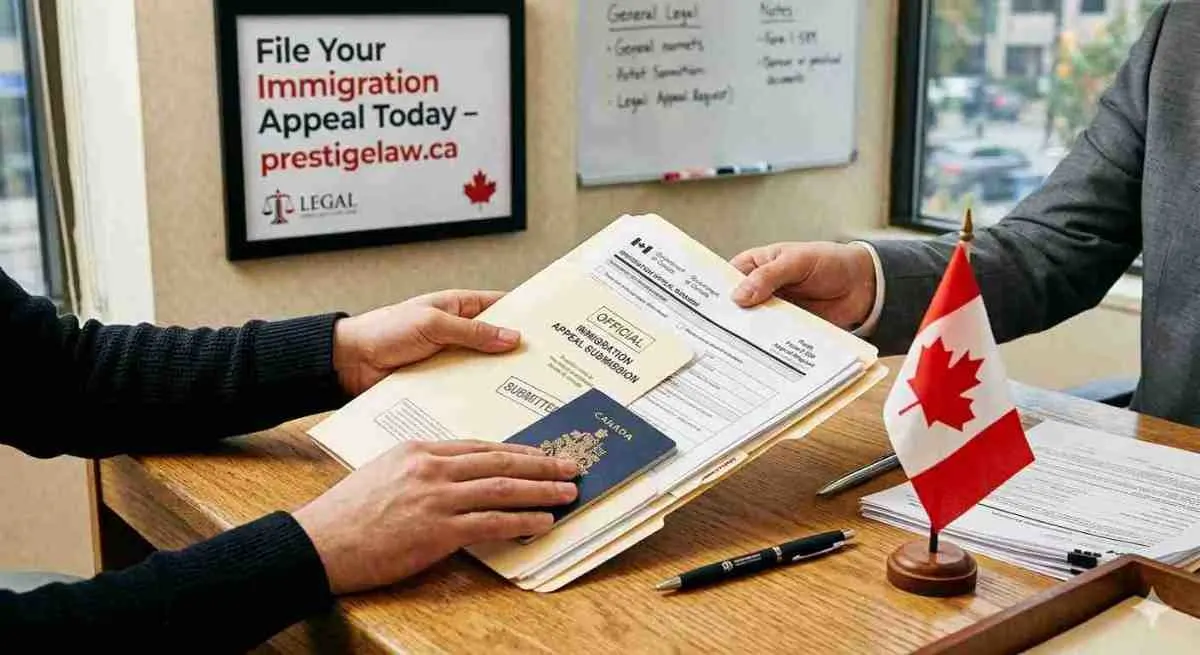




Immigration Appeals


Immigration Appeals in Canada
Immigration appeals in Canada play a critical role for individuals and families who have received a refusal on their visa, sponsorship, or residency application. A negative immigration decision can feel overwhelming, but it is not always the end of the road. Canada offers structured legal pathways that allow applicants to challenge decisions, present new evidence, and seek a fair reassessment of their case. Understanding how immigration appeals work, who qualifies, and how to prepare a strong case can significantly improve your chances of success. At prestigelaw.ca, applicants receive professional guidance through every stage of the appeal process, ensuring their rights are protected and their applications are presented with clarity and strength.
What Are Immigration Appeals in Canada?
An immigration appeal is a legal process that allows an individual to challenge a decision made by Canadian immigration authorities. These decisions may involve visa refusals, permanent residency denials, or sponsorship rejections. Appeals are typically handled by the Immigration Appeal Division (IAD) or the Federal Court of Canada, depending on the type of case.
The purpose of an appeal is not just to review the decision but to determine whether it was fair, lawful, and based on accurate information. In many cases, applicants may submit new documents or explain circumstances that were not fully considered in the initial application.
Common Reasons for Immigration Refusals
Understanding why applications get refused is essential before pursuing an appeal. Some of the most common reasons include:
- Incomplete or incorrect documentation
- Insufficient proof of relationship (for sponsorship cases)
- Financial ineligibility
- Misrepresentation or inconsistencies in the application
- Medical or criminal inadmissibility
- Failure to meet eligibility requirements
Each refusal comes with a detailed explanation, and this document becomes the foundation of your appeal strategy.
Types of Immigration Appeals in Canada
Canada offers several types of immigration appeals depending on the nature of the refusal:
1. Sponsorship Appeals
If a family sponsorship application is refused, the sponsor has the right to appeal to the Immigration Appeal Division. This is common in spousal or dependent child sponsorship cases.
2. Removal Order Appeals
Individuals who are issued a removal order may appeal to delay or stop deportation, depending on eligibility.
3. Residency Obligation Appeals
Permanent residents must meet residency requirements. If they fail to do so, they may appeal to retain their status.
4. Federal Court Appeals
When no appeal is available through the IAD, applicants may seek judicial review at the Federal Court. This process examines whether the decision was legally sound.
Who Can File an Immigration Appeal?
Not everyone is eligible to file an appeal. Eligibility depends on the type of application and the reason for refusal. Generally, the following individuals may file appeals:
- Canadian citizens or permanent residents sponsoring a family member
- Permanent residents facing loss of status
- Individuals facing removal orders
However, cases involving serious criminality or misrepresentation may have limited or no appeal rights.
The Immigration Appeal Process Step-by-Step
Understanding the process helps reduce stress and ensures better preparation:
Step 1: Notice of Appeal
The process begins by submitting a Notice of Appeal within the required timeframe, usually 30 days from the refusal date.
Step 2: Record Collection
Immigration authorities provide the appeal record, which includes all documents used in the original decision.
Step 3: Preparation of Evidence
Applicants can submit new evidence to strengthen their case. This may include updated financial documents, relationship proof, or medical records.
Step 4: Hearing
A hearing may be scheduled where both sides present their arguments. The applicant or their legal representative explains why the decision should be overturned.
Step 5: Decision
The appeal may be allowed, dismissed, or sent back for reconsideration.
How Long Do Immigration Appeals Take?
Processing times vary depending on the type of appeal:
- Sponsorship appeals: 6 months to 2 years
- Federal Court reviews: Several months to over a year
- Removal order appeals: Varies based on urgency
Delays can occur due to case complexity or backlog, making early action crucial.
Key Factors That Influence Appeal Success
Several factors determine whether an appeal will succeed:
Strong Documentation
Clear, accurate, and updated documents are essential. Missing or inconsistent information can weaken your case.
Credibility
Your testimony and supporting evidence must be consistent and believable.
Legal Representation
Working with experienced professionals, such as those at prestigelaw.ca, ensures your case is presented effectively.
Humanitarian and Compassionate Grounds
In some cases, decisions are influenced by personal hardship, family separation, or the best interests of children.
Importance of Legal Guidance in Immigration Appeals
Immigration law in Canada is complex and constantly evolving. A small mistake can result in delays or dismissal. Professional legal assistance ensures:
- Proper filing within deadlines
- Accurate documentation
- Strong legal arguments
- Effective representation during hearings
At prestigelaw.ca, experienced immigration professionals guide clients through each stage, reducing risks and improving outcomes.
Tips to Strengthen Your Immigration Appeal
If you are planning to file an appeal, consider the following tips:
- Act quickly and respect deadlines
- Carefully review refusal reasons
- Gather strong supporting evidence
- Be honest and consistent
- Seek professional legal advice
Preparation is the key to turning a refusal into a successful outcome.
Immigration Appeals vs. Reapplication
In some cases, reapplying may be an alternative to appealing. However, this depends on the situation:
- Appeals are better when the refusal was unfair or based on incorrect information
- Reapplication works when you can fix missing documents or improve eligibility
A professional assessment helps determine the best course of action.
Challenges in Immigration Appeals
While appeals offer a second chance, they come with challenges:
- Long processing times
- Emotional stress
- Legal complexity
- Financial costs
Despite these challenges, a well-prepared appeal can lead to a successful resolution.
Why Choose prestigelaw.ca for Immigration Appeals?
Choosing the right legal support can make a significant difference. prestigelaw.ca offers:
- Experienced immigration professionals
- Personalised case strategies
- Transparent communication
- Strong representation in hearings
Their commitment to accuracy and client success ensures every appeal is handled with care and precision.
Conclusion
Immigration appeals in Canada provide a vital opportunity to challenge unfair or incorrect decisions. While the process may seem complex, proper understanding, preparation, and professional guidance can significantly improve your chances of success. Whether you are dealing with a sponsorship refusal, residency issue, or removal order, taking timely and informed action is essential. With expert support from prestigelaw.ca, applicants can navigate the appeal process confidently and work toward a positive outcome that secures their future in Canada.