



Temporary Residency
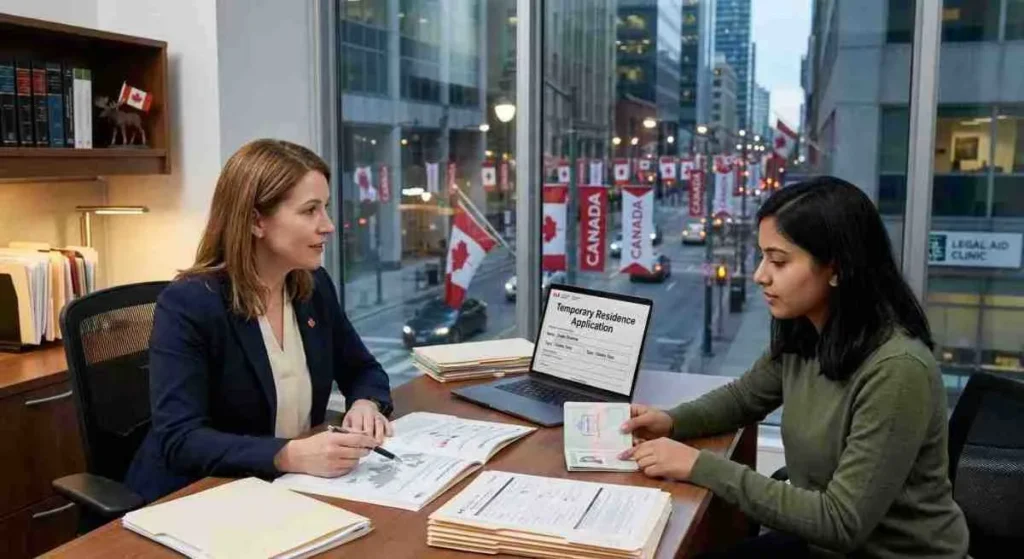
Temporary Residence in Canada: Your Complete Legal Guide
Canada continues to be one of the most desirable countries in the world for people seeking better opportunities, world-class education, career growth, family visits, and a high standard of living. For many individuals, the first legal step toward entering Canada is obtaining temporary residence status.
Temporary residence allows foreign nationals to stay in Canada for a limited period for specific purposes such as tourism, visiting family, studying, or working. Whether you are planning a short visit, pursuing higher education, or starting a new job opportunity, understanding the legal requirements of temporary residence is extremely important.
At Prestige Law, we help individuals and families successfully navigate the Canadian immigration system with confidence and clarity. Canada offers several temporary residence pathways depending on the purpose of your visit, and each category has its own eligibility criteria, documentation requirements, and legal procedures.
This complete guide explains everything you need to know about temporary residence in Canada.
What Is Temporary Residence in Canada?
Temporary residence refers to the legal permission granted by the Canadian government that allows a foreign national to remain in Canada for a temporary and limited duration.
Unlike permanent residence, temporary residence does not give you the right to live in Canada indefinitely. Instead, it permits you to stay for a defined reason and period.
The most common types include:
- Visitor Visa / Temporary Resident Visa (TRV)
- Study Permit
- Work Permit
- Electronic Travel Authorisation (eTA)
These permits are issued by Immigration, Refugees and Citizenship Canada (IRCC) depending on your travel purpose.
Types of Temporary Residence in Canada
1. Visitor Visa (Temporary Resident Visa)
A visitor visa allows foreign nationals to enter Canada for tourism, family visits, or short business trips.
This is one of the most common temporary residence categories.
A visitor visa may be issued as:
- Single-entry visa
- Multiple-entry visa
A multiple-entry visa allows you to travel in and out of Canada multiple times during its validity period.
Common purposes include:
- Tourism
- Family visits
- Attending weddings or events
- Business meetings
- Medical visits
Most visitors are allowed to stay in Canada for up to 6 months per visit, unless otherwise specified by the immigration officer.
2. Study Permit
Canada is home to some of the world’s best universities and colleges, making it a leading destination for international students.
A study permit is required if you plan to study at a Designated Learning Institution (DLI) in Canada.
To qualify, applicants generally need:
- A valid letter of acceptance
- Proof of financial support
- Clean criminal background
- Medical examination (if required)
- Intention to leave Canada after studies
Students may also be eligible to work part-time during their studies, depending on permit conditions.
3. Work Permit
A work permit allows foreign nationals to legally work in Canada for a temporary period.
There are two main types:
Employer-Specific Work Permit
This permit allows you to work only for the employer mentioned in the permit.
It includes:
- Employer name
- Job location
- Duration
- Position title
Open Work Permit
This permit allows you to work for almost any employer in Canada.
It is commonly issued to:
- Spouses of international students
- Spouses of skilled workers
- Post-graduate applicants
Work permits are a major pathway for individuals who later wish to transition to permanent residence.
Eligibility Requirements for Temporary Residence
To obtain temporary residence in Canada, applicants must satisfy certain legal conditions.
These typically include:
Valid Passport
Your passport must remain valid throughout your intended stay.
Financial Proof
You must prove that you can support yourself financially during your stay.
This may include:
- Bank statements
- Employment letters
- Sponsor documents
- Income tax returns
Purpose of Visit
You must clearly explain why you are coming to Canada.
Ties to Home Country
Strong ties help demonstrate that you intend to return after your authorised stay.
Examples include:
- Employment
- Family obligations
- Property ownership
- Ongoing education
Clean Immigration Record
Previous visa refusals, overstays, or immigration violations may affect approval.
Common Reasons for Visa Refusal
Many temporary residence applications are refused because of avoidable mistakes.
The most common refusal reasons include:
Insufficient Financial Documents
Applicants often fail to provide strong proof of funds.
Weak Purpose of Visit
A vague explanation raises red flags.
Lack of Home Country Ties
If the officer believes you may not return, the visa may be refused.
Incomplete Documentation
Missing documents frequently lead to rejection.
Previous Immigration Violations
Past overstays or visa breaches can negatively affect your case.
This is why professional legal assistance can significantly improve success rates.
Prestige Law provides personalised support for complex temporary residence matters and refusals.
How Long Can You Stay in Canada?
The duration depends on your visa category.
Visitor Visa
Usually up to 6 months
Study Permit
Duration of your academic program plus extra time
Work Permit
Depends on employment contract and permit conditions
You must always comply with the expiry date mentioned on your documents.
Can Temporary Residence Lead to Permanent Residence?
Yes, absolutely.
Many people first enter Canada through temporary residence and later apply for permanent residence.
Common pathways include:
- Canadian Experience Class
- Provincial Nominee Program
- Express Entry
- Employer sponsorship
- Family sponsorship
This is a common immigration strategy for students and skilled workers.
Benefits of Temporary Residence in Canada
Temporary residence offers multiple advantages.
Access to Canadian Opportunities
Canada offers excellent education and employment opportunities.
Pathway to PR
Temporary status can strengthen future PR applications.
Family Visits
Families can reunite temporarily.
Work Experience
Canadian work experience adds strong value to immigration profiles.
Global Reputation
A Canadian visa history often supports future international travel.
Can You Extend Temporary Residence?
Yes.
If you wish to stay longer, you must apply for an extension before your current status expires.
This is known as maintained status (formerly implied status), which may allow you to remain legally in Canada while awaiting a decision.
Examples include:
- Visitor record extension
- Study permit renewal
- Work permit extension
Legal Support for Temporary Residence Applications
Immigration law can be complex.
Even a small mistake in documents, wording, or legal explanation may lead to refusal.
Prestige Law helps clients with:
- New applications
- Refusal challenges
- Extensions
- Work permits
- Study permits
- Visitor visas
- Family visit visas
Their immigration legal team provides personalised solutions tailored to each client’s circumstances.
Why Choose Prestige Law?
Prestige Law is a trusted Canadian immigration law firm that helps individuals globally with temporary and permanent immigration solutions.
Their strengths include:
- Professional legal guidance
- Personalised case strategy
- High-quality document preparation
- Refusal appeal support
- Transparent communication
Final Thoughts
Temporary residence in Canada is the first step for thousands of individuals seeking better educational, professional, and personal opportunities.
Whether you are planning to visit, study, or work, submitting a legally strong application is essential for success.
With the right legal guidance from Prestige Law, the process becomes smoother, more accurate, and more secure.
If you are planning your move to Canada, temporary residence may be the beginning of a life-changing journey.