





Canada affirms foreign credential recognition target for 2026-27
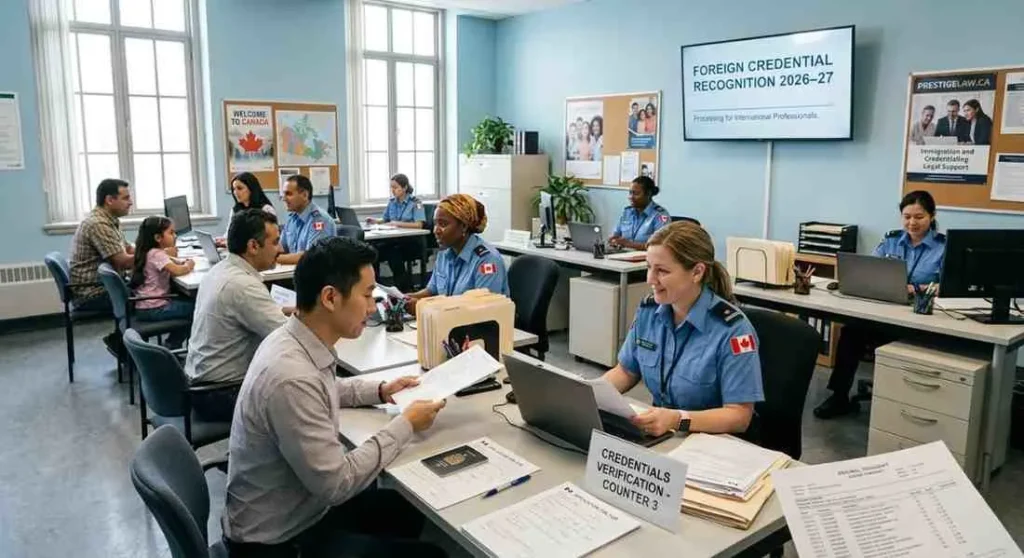
Canada affirms foreign credential recognition target for 2026–27: A transformative step toward workforce integration, economic growth, and global talent inclusion through streamlined qualification recognition systems
Introduction to Canada’s Foreign Credential Recognition Plan
Canada has reaffirmed its commitment to improving the recognition of foreign credentials by setting a clear and ambitious target for 2026–27. This policy direction reflects the country’s broader strategy to address labor shortages, enhance economic productivity, and ensure that skilled immigrants can fully contribute to society. By accelerating the recognition process for internationally obtained qualifications, Canada aims to bridge the gap between immigration and employment outcomes, ensuring that newcomers are not underutilized in the labor market.
Challenges Faced by Skilled Immigrants in Canada
Barriers in Credential Recognition
Foreign credential recognition has long been a challenge for immigrants entering Canada. Many skilled professionals—such as doctors, engineers, teachers, and technicians—often face delays, additional certification requirements, or barriers that prevent them from working in their fields of training.
Impact of Underemployment
As a result, many immigrants are forced into jobs that do not match their qualifications, leading to underemployment and lost economic potential. The reaffirmation of the 2026–27 target signals a strong policy commitment to resolving these longstanding issues.
What is foreign credential recognition in Canada?
It is the process of verifying and accepting international qualifications so immigrants can work in their professions.
Why is the 2026 target important?
It helps reduce labor shortages and ensures skilled immigrants can work faster in Canada.
Who benefits from this policy?
International professionals such as doctors, engineers, and skilled workers benefit the most.
How can immigrants prepare for credential recognition?
They should gather documents, verify requirements, and explore bridging programs before arriving.
Government Strategy and Policy Framework

Streamlining Assessment Processes
One of the primary objectives of this target is to reduce processing times for credential assessments. Currently, many applicants experience lengthy delays, sometimes taking months or years. The new framework aims to streamline these processes through improved coordination between federal and provincial authorities.
Collaboration with Regulatory Bodies
In Canada, many professions are regulated at the provincial level. The government is working closely with regulatory organizations to establish consistent standards and reduce duplication in the assessment process.
Transparency and Pre-Arrival Support for Immigrants
Improving Access to Information
Many immigrants arrive without a clear understanding of the credential recognition process. To address this, Canada plans to provide clearer guidance, digital tools, and accessible resources.
Pre-Arrival Preparation Programs
Pre-arrival services will allow immigrants to begin the recognition process before entering Canada, reducing delays and improving employment readiness.
Bridging Programs and Skill Development

Educational and Training Support
Canada is expanding bridging programs that help internationally trained professionals meet domestic standards. These programs may include additional coursework, exams, and practical training.
Enhancing Workforce Readiness
Such initiatives help immigrants transition smoothly into the workforce, ensuring they meet industry expectations while utilizing their existing skills.
Economic Benefits of Credential Recognition Reform
Addressing Labor Shortages
Canada is facing labor shortages in sectors such as healthcare, construction, and technology. Faster credential recognition will help fill these gaps more efficiently.
Boosting National Productivity
By enabling skilled immigrants to work in their professions, the country can enhance productivity and economic growth.
Sector-Specific Impacts
Healthcare Industry Improvements
Faster recognition of international medical credentials can reduce patient wait times and improve healthcare delivery.
Growth in Engineering and Technology
Recognizing global qualifications in technical fields can drive innovation and infrastructure development across Canada.
Promoting Diversity and Inclusion
Equal Opportunities for Immigrants
This initiative reflects Canada’s commitment to inclusivity by ensuring fair access to employment opportunities regardless of origin.
Strengthening Social Integration
When immigrants work in their trained professions, they integrate more effectively into society and contribute to community development.
Retention of Skilled Immigrants
Long-Term Settlement Benefits
Immigrants are more likely to remain in Canada when they secure meaningful employment that aligns with their skills.
Supporting Regional Development
Smaller provinces and rural areas benefit significantly from retaining skilled immigrants to support economic growth.
Challenges and Considerations

Complexity of Credential Recognition Systems
The process involves multiple stakeholders, making it complex and sometimes inconsistent across regions.
Addressing Systemic Barriers
Issues such as a lack of Canadian experience and differences in education systems still need to be addressed.
Role of Employers in Credential Recognition
Encouraging Inclusive Hiring Practices
Employers must recognize international qualifications and value global experience.
Industry Collaboration
Partnerships between employers and government bodies can help create a more inclusive workforce.
Digital Transformation in Credential Assessment
Use of Technology in Applications
Digital platforms can streamline application processes, reducing paperwork and delays.
Enhancing Efficiency and Accessibility
Technology improves communication and transparency, making the system more user-friendly.
Impact on Future Immigrants
Strengthening Canada’s Global Appeal
This initiative enhances Canada’s reputation as a top destination for skilled workers.
Importance of Early Preparation
Prospective immigrants should prepare documentation and understand requirements before arrival.
Role of Educational Institutions
Aligning Global Education Standards
International institutions can collaborate with Canadian regulators to align curricula.
Facilitating Credential Recognition
Such partnerships can simplify the recognition process for future graduates.
Conclusion: A Forward-Looking Immigration Policy
Canada’s reaffirmation of its foreign credential recognition target for 2026–27 represents a major step toward improving immigration outcomes. By reducing barriers and enhancing efficiency, the country aims to unlock the full potential of skilled immigrants.