




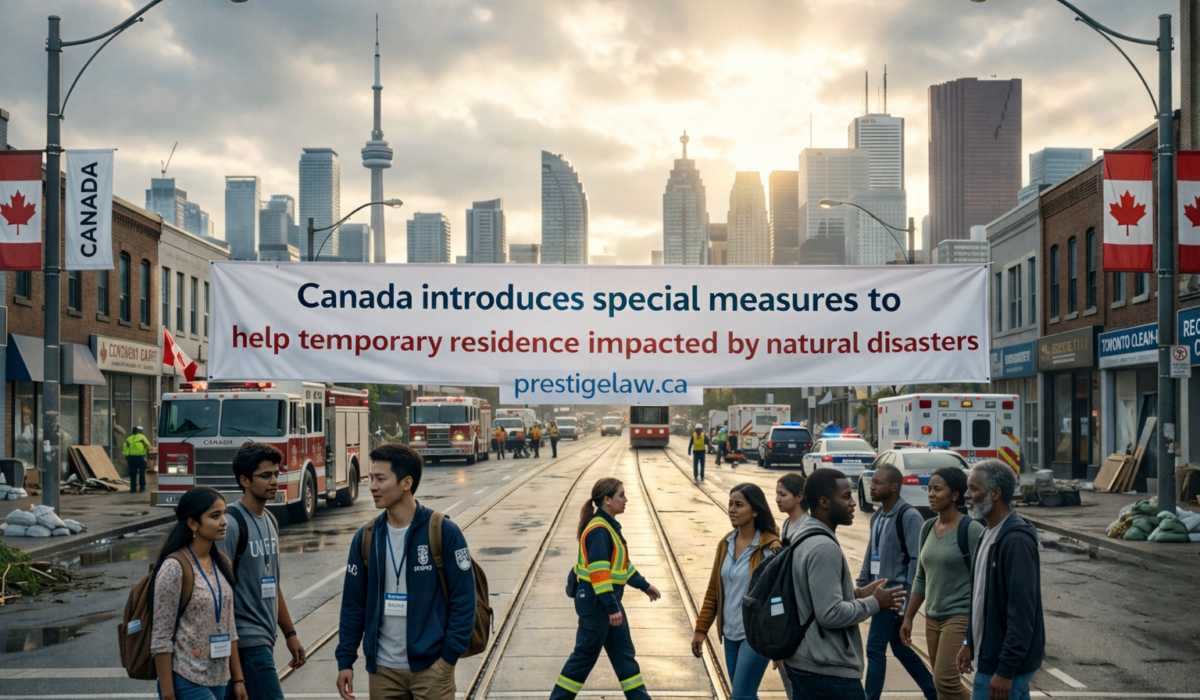
Canada’s special measures for temporary residents in natural disasters
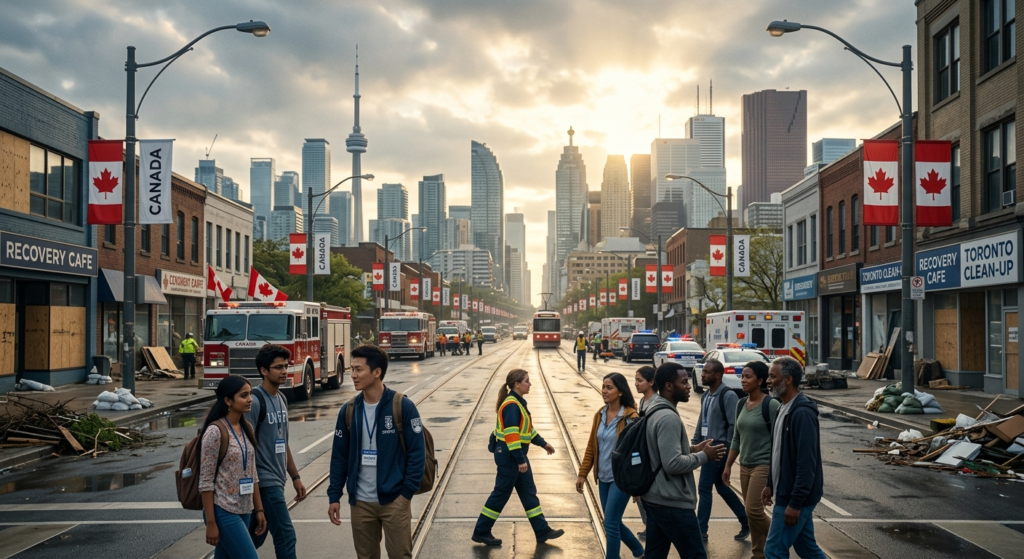
Canada has taken a significant humanitarian step by introducing special measures to support temporary residents affected by natural disasters. These measures reflect the country’s commitment to compassion, inclusivity, and practical support for individuals facing unexpected crises. Temporary residents—including international students, foreign workers, and visitors—often face unique challenges during emergencies. Without permanent status, their access to resources, legal flexibility, and financial stability can be limited. Recognizing these vulnerabilities, Canada has designed targeted policies to provide relief, ensure safety, and maintain legal compliance for those impacted.
Rising Natural Disasters and Challenges for Temporary Residents, and Canada’s special measures for temporary residents in natural disasters
Natural disasters such as wildfires, floods, earthquakes, and severe storms have become increasingly frequent and unpredictable. These events disrupt lives, displace communities, and create urgent needs for shelter, healthcare, and financial assistance. For temporary residents, the situation can be even more complicated due to visa restrictions, employment limitations, and a lack of access to certain government programs. Canada’s newly introduced measures aim to address these challenges directly, ensuring that temporary residents are not left behind during times of crisis.
One of the key aspects of these measures is the extension and flexibility of immigration documents. Temporary residents who are unable to renew their visas, permits, or other documentation due to disaster-related disruptions are now given additional time and support. This prevents individuals from falling out of legal status due to circumstances beyond their control. By offering extensions and simplifying renewal processes, the government ensures that affected individuals can focus on their safety and recovery rather than bureaucratic hurdles.
Another important component is facilitating fee waivers. In many cases, temporary residents are required to pay fees for permit renewals, status restoration, or new applications. During natural disasters, financial resources may be strained due to job loss, property damage, or relocation expenses. Canada’s policy allows eligible individuals to request fee exemptions or reductions, easing the financial burden and making it more feasible for them to maintain their legal status.
Key Support Measures and Flexibility
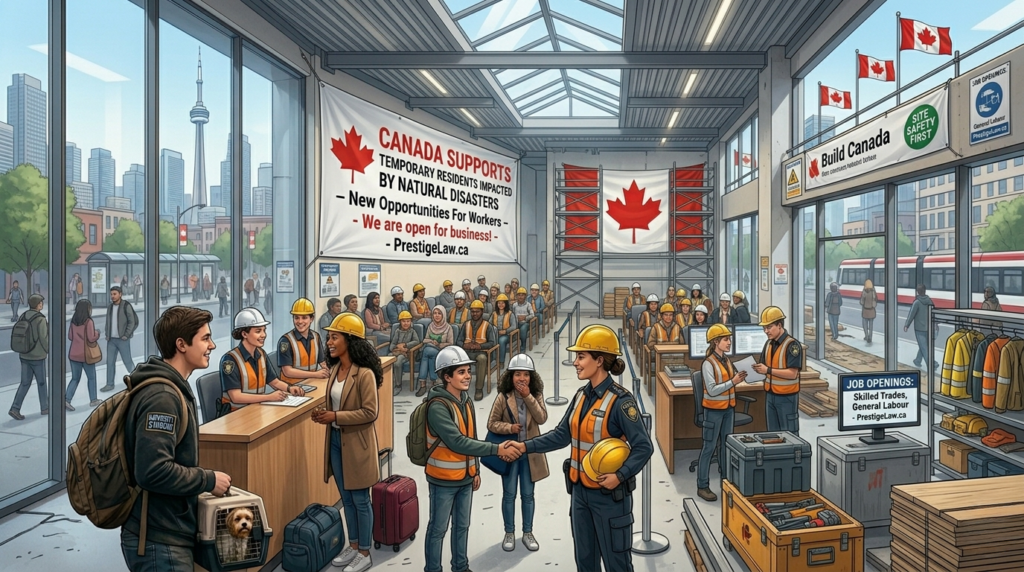
Work flexibility is also a crucial element of these measures. Temporary foreign workers may find themselves unable to continue their employment due to workplace closures or unsafe conditions. Similarly, international students might face disruptions in their studies or part-time jobs. The government has introduced provisions that allow individuals to change employers, adjust working hours, or seek alternative opportunities without facing penalties. This flexibility helps ensure that temporary residents can sustain themselves financially while navigating the aftermath of a disaster.
Access to essential services is another priority. Temporary residents affected by natural disasters are encouraged to seek medical care, emergency housing, and community support without fear of jeopardizing their immigration status. The government has worked to coordinate with local authorities and service providers to ensure that assistance is accessible and inclusive. This approach reinforces the principle that safety and well-being come first, regardless of immigration status.
In addition to immediate relief, Canada’s measures also focus on long-term stability. For individuals whose situations have significantly changed due to a disaster—such as loss of employment or inability to return to their home country—the government may offer pathways to extend their stay or transition to other immigration programs. This forward-looking approach recognizes that recovery from a natural disaster is not instantaneous and that individuals may need ongoing support to rebuild their lives.
Collaboration, Impact, and Future Outlook
Communication and awareness are critical to the success of these initiatives. The government has made efforts to provide clear and timely information through official channels, ensuring that temporary residents understand their options and rights. Online resources, helplines, and community organizations play a vital role in disseminating information and assisting individuals with applications and documentation. By prioritizing transparency, Canada helps reduce confusion and anxiety during already stressful situations.
The introduction of these measures also highlights the importance of collaboration between federal, provincial, and local governments. Natural disasters often require coordinated responses across multiple levels of authority. By aligning immigration policies with emergency response strategies, Canada ensures a more cohesive and effective approach. This collaboration extends to partnerships with non-profit organizations, educational institutions, and employers, all of which contribute to supporting temporary residents during crises.
Employers and educational institutions have a significant role to play as well. They are encouraged to provide flexibility, support, and understanding to temporary residents affected by disasters. This may include adjusting work schedules, offering remote options, or providing academic accommodations. Such measures not only help individuals cope with immediate challenges but also contribute to a more resilient and supportive environment overall.
From a legal perspective, these measures demonstrate adaptability within Canada’s immigration framework. Laws and policies are often designed with standard situations in mind, but extraordinary circumstances require innovative solutions. By introducing temporary relief measures, Canada shows its ability to respond effectively to changing realities while maintaining the integrity of its immigration system.
The economic impact of supporting temporary residents should not be overlooked. Temporary residents contribute significantly to Canada’s economy through labor, education, and consumer spending. By helping them remain stable and productive during crises, the government not only supports individuals but also protects broader economic interests. Ensuring that workers can continue contributing and students can complete their education benefits both the individuals and the country as a whole.
Moreover, these measures reinforce Canada’s global reputation as a welcoming and compassionate nation. In an increasingly interconnected world, immigration policies are closely watched and often influence decisions made by prospective students, workers, and visitors. By prioritizing the well-being of temporary residents during emergencies, Canada strengthens its position as a preferred destination for international talent and investment.
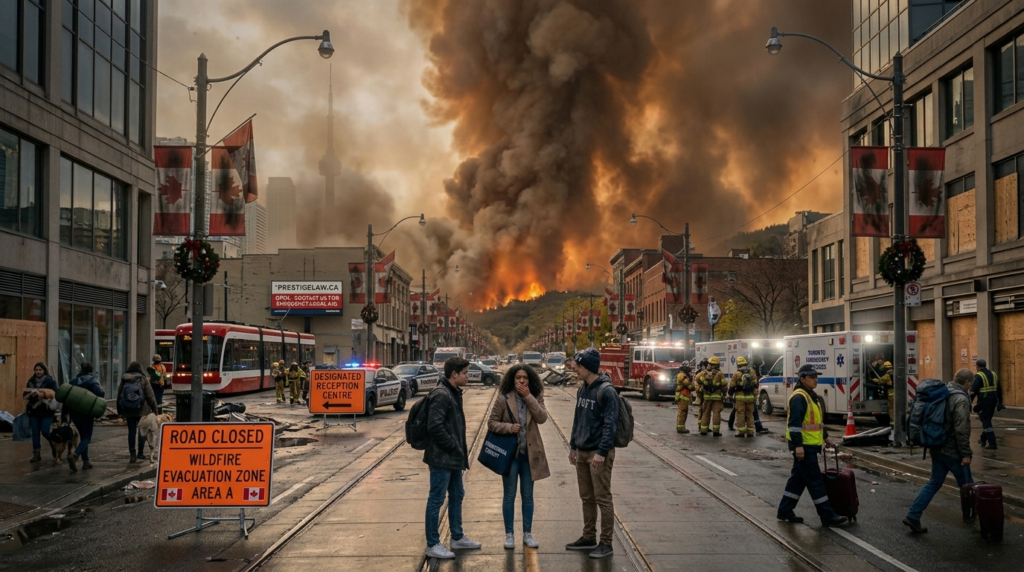
It is also important to consider the psychological impact of natural disasters. Beyond physical damage and financial loss, individuals often experience stress, anxiety, and uncertainty. Temporary residents may feel particularly vulnerable due to their distance from family and support networks. By providing clear policies and accessible support, Canada helps alleviate some of this emotional burden, offering reassurance during difficult times.
While these measures are commendable, their effectiveness depends on proper implementation and accessibility. Continuous evaluation and feedback are essential to ensure that the policies meet the needs of those they are intended to help. The government may need to adjust or expand these measures based on evolving circumstances and lessons learned from their application.
Looking ahead, the increasing frequency of natural disasters due to climate change underscores the importance of proactive planning. Canada’s initiative can serve as a model for other countries, demonstrating how immigration systems can be adapted to address humanitarian needs during emergencies. By integrating disaster response into immigration policy, governments can create more resilient and inclusive frameworks.
Temporary residents themselves also play a role in navigating these measures. Staying informed, maintaining communication with authorities, and seeking assistance when needed are crucial steps. Community networks and peer support can further enhance resilience, providing practical help and emotional encouragement during recovery.
In conclusion, Canada’s introduction of special measures for temporary residents impacted by natural disasters represents a thoughtful and necessary response to a growing global challenge. By addressing legal, financial, and social barriers, these policies provide meaningful support to individuals in vulnerable situations. The initiative reflects a broader commitment to humanitarian values, economic stability, and inclusive governance. As natural disasters continue to affect communities worldwide, such measures highlight the importance of adaptability, compassion, and collaboration in shaping effective public policy.
For more insights and updates on immigration policies and legal support, visit prestigelaw.ca, your trusted source for reliable and professional guidance.