





Canada Ranked the World’s Safest Country
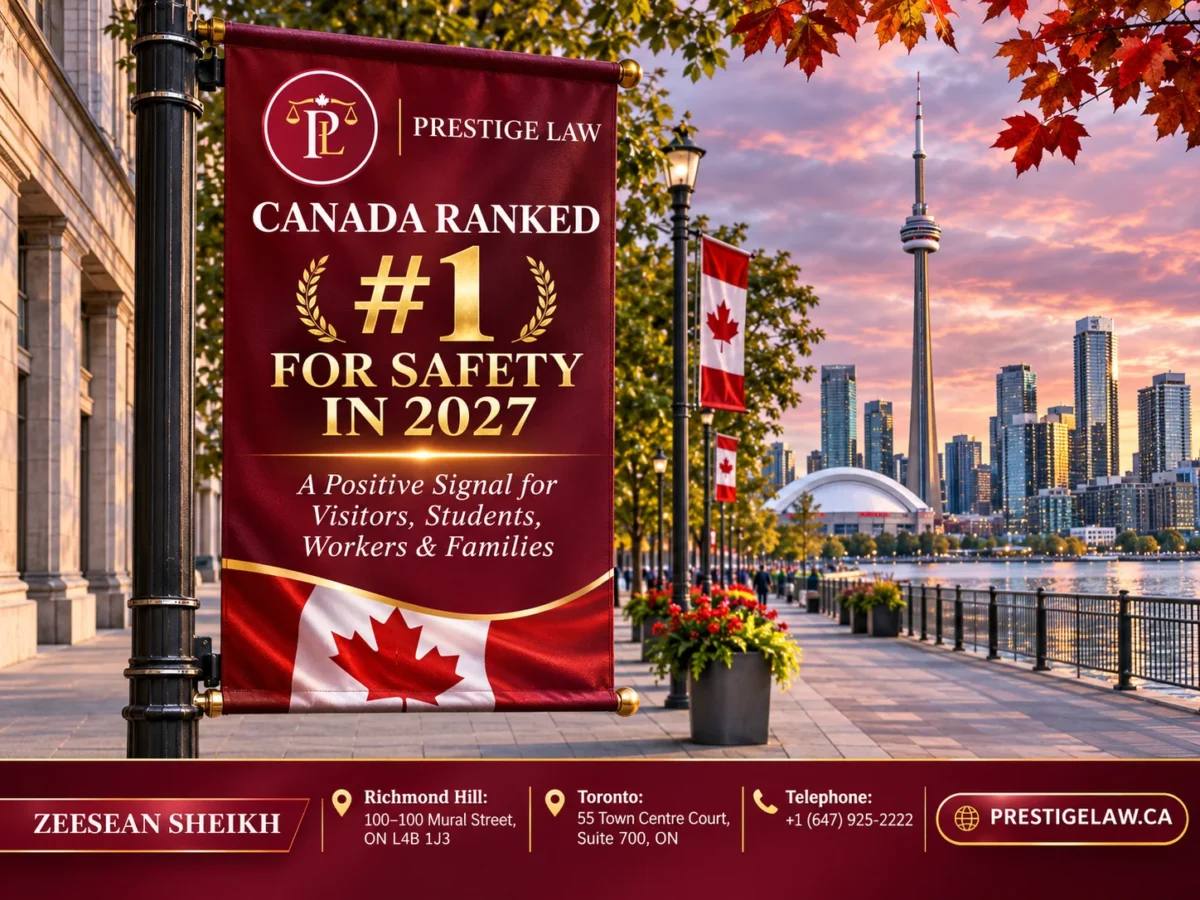
Canada ranked world’s safest country in the 2027 World’s Safest Places ranking from Berkshire Hathaway Travel Protection (BHTP), climbing four places in a single year to claim first position ahead of New Zealand, Australia, Iceland, and Japan, and the milestone is far more than a travel headline, because it shapes how visitors, international students, skilled workers, and families around the world think about building a life in Canada, which is why this guide explains what the ranking measures, how Canada earned the top spot, where the Global Peace Index places the country, and what the result means for your immigration plans.
Canada Ranked World’s Safest Country: The Headline in Brief
Canada has taken first place in the 2027 edition of the World’s Safest Places ranking, which Berkshire Hathaway Travel Protection published on October 28, 2026. The result is a four-place gain, because Canada sat in fifth position in the 2026 edition, behind the Netherlands, Australia, Austria, and Iceland. With an overall score of 82.47, Canada now leads New Zealand (81.31) and Australia (80.82) at the top of the table.
For anyone who plans to visit, study, work, or settle in Canada, a first-place finish is welcome news. Safety is one of the first questions families ask when they consider a move abroad, and a respected annual ranking offers a useful reference point. At the same time, a ranking is only one data point. This guide walks through the full picture, so you can separate the headline from the details and make decisions with confidence.
At Prestige Law, our offices in Richmond Hill and Toronto welcome newcomers every week who ask the same question: Is Canada really safe, and what does it take to build a future here? Lawyer Zeesean Sheikh and the Prestige Law team prepared this article to answer those questions in plain language and to show how the ranking connects to real immigration pathways.
Key Takeaways Canada Ranked World’s Safest Country 2027
- Canada ranked first among the countries listed in the 2027 World’s Safest Places ranking, with an overall score of 82.47.
- The result is a four-place improvement over the 2026 edition, when Canada placed fifth.
- Canada took first place in the sub-category covering the safety of women, LGBTQIA+ travellers, and people of colour.
- Canada placed second for health measures, safety from violent crime, and safety from terrorism.
- Montreal was named the safest city for travellers in the companion city ranking.
- The Global Peace Index 2026 places Canada 14th out of 163 countries and territories, and first in North and Central America.
- Rankings measure perception and published indicators, so they work best as one input among many when you plan a move.
What the 2027 World’s Safest Places Ranking Says
Berkshire Hathaway Travel Protection has published its World’s Safest Places ranking every year since 2018. The 2027 edition places Canada at the top of the list. According to reporting from CIC News, the top ten countries and their overall scores are as follows.
Rank
Country
Overall score
1 Canada 82.47
2 New Zealand 81.31
3 Australia 80.82
4 Iceland 78.85
5 Japan 78.73
6 Austria 78.48
7 Ireland 77.87
8 The Netherlands 77.09
9 Denmark 76.63
10 Portugal 75.63
The gap between first and second place is a little over one point, which shows how close the leading countries are. Even so, Canada earned the top position, and it did so by performing well across several categories instead of relying on one single strength.
The ranking breaks safety into five sub-categories: safety for women, LGBTQIA+ travellers, and people of colour; safety from violent crime; safety from terrorism; transportation safety; and health measures. Canada finished first in the first of these categories and second in three others: health measures, violent crime, and terrorism. That balanced profile explains why the country moved ahead of competitors that may lead in one area but trail in another.
Reporting on the survey also noted that Canada was the leading choice among higher-income American travellers and among those who spend heavily on travel each year. American parents placed Canada second, and Gen Z travellers placed it third. These details matter because they show that the result reflects traveller confidence across very different groups, not only one demographic.
You can review the original publication on the BHTP safest places page and read the news coverage from CIC News.
How BHTP Builds the Ranking
To understand why Canada ranked the world’s safest country, it helps to understand how the list is built. The ranking relies primarily on a survey of American travellers who rated countries they visited within the previous five years. Those survey responses carry the greatest weight in the final result.
BHTP then combines the survey results with outside indicators. These include the Global Peace Index, Numbeo, GeoSure Global, the World Health Organisation, the Equaldex Equality Index, and the Global Terrorism Index. The overall calculation averages six safety sub-category scores and blends them with that external data.
Only the top fifteen countries appear in the published list, although the survey collects ratings for at least thirty-one countries. In other words, the ranking is a comparison among places that American travellers visit often enough to rate, not a census of every nation on earth.
BHTP credits Canada’s first-place finish to top survey marks for the safety of women, LGBTQIA+ travellers, and people of colour, along with strong results from the Equaldex Equality Index, the Global Peace Index, and the Global Terrorism Index. Canada is also one of eight countries in the BHTP Safe Travel Hall of Fame, which honours countries that have averaged a top-ten position since the ranking began in 2018.
This methodology has real strengths. It blends the lived experience of travellers with independent datasets, and it looks at safety from several angles instead of reducing it to one crime statistic. It also has limits, which we discuss later in this article.
Canada’s Journey Up the Safety Rankings, 2024 to 2027
Canada’s path to first place was not a straight line. According to published coverage of the BHTP rankings, Canada topped the list in the edition released for 2024, slipped to third place in the 2025 edition, and fell to fifth in the 2026 edition. The 2027 edition reverses that slide with a four-place rise.
The movement shows why a single year should never be treated as a permanent verdict. Countries trade places as survey responses change, as new data arrives, and as global events reshape traveller attitudes. What stays steady is Canada’s presence near the top. A country that repeatedly lands in the top five over several editions is showing durable strengths, and that consistency is exactly what the Safe Travel Hall of Fame recognises.
For newcomers, the lesson is practical. When you evaluate a destination, look at the trend across several years and several sources, not just the latest headline. Canada’s multi-year record points to a stable, well-governed country where everyday safety is a shared expectation.
Where Canada Stands on the Global Peace Index
The BHTP result is not the only major measurement that places Canada among the safest nations. The Global Peace Index, produced by the Institute for Economics and Peace, offers an independent view. The 2026 edition, which is the twentieth, ranks 163 independent states and territories.
According to coverage from Daily Hive, Canada held the 14th position for the second year in a row, with a score of 1.525, which falls in the “high” peace category. Canada also ranked as the most peaceful nation in North and Central America. Lower scores indicate higher levels of peace on this index.
The index measures three domains: ongoing domestic and international conflict, societal safety and security, and militarisation. Societal safety and security covers factors such as crime, terrorist activity, violent demonstrations, and political stability.
The report is honest about areas to watch. Canada’s score slipped slightly from 1.491 in 2025 because the country recorded more violent demonstrations, and conflict and militarisation indicators softened a little. The report also notes that Canada’s safety and security domain has weakened over the long term since 2008. A trustworthy picture includes this context, and we think newcomers deserve to see it.
You can explore the complete data in the Global Peace Index 2026 report.
Montreal Named the Safest City for Travellers
The BHTP team also publishes a companion ranking of cities. In the latest edition, Montreal took first place with an overall score of 82.18, rising from 16th place the year before. That jump is one of the most striking details of the 2027 results.
The finding is a reminder that safety in Canada is not limited to one region. Large cities such as Toronto, Montreal, and Vancouver each have their own character, and many smaller communities across the provinces are known for a close, neighbourly atmosphere. If you are choosing where to settle, it makes sense to research local conditions, housing, employment, and community support alongside any national ranking.
Why Canada Is Considered a Safe Country: The Core Strengths
When analysts explain why Canada ranked as the world’s safest country, they usually point to a combination of factors. Here are the main pillars that support Canada’s reputation.
Low Exposure to Violent Crime and Terrorism
Canada placed second for both safety from violent crime and safety from terrorism in the 2027 ranking. Strong policing standards, accountable public institutions, and effective security cooperation all contribute. For visitors and residents alike, this means that daily life in most communities feels calm and predictable.
Healthcare That Reaches Residents
Canada placed second for health measures. The country’s publicly funded health system is often described as healthcare for all residents, and the ranking’s coverage consistently highlights it as a strength. Eligibility rules for newcomers depend on the province and on immigration status, so it is wise to confirm your coverage details before you arrive.
Diversity, Inclusion, and Legal Protection
Canada took first place for the safety of women, LGBTQIA+ travellers, and people of colour. The Canadian Charter of Rights and Freedoms protects equality rights; same-sex marriage has been legal nationwide since 2005, and multiculturalism is a core part of national identity. For many newcomers, feeling welcome is just as important as feeling physically secure.
Stable Institutions and the Rule of Law
Independent courts, regular elections, and peaceful transfers of power give Canada a stable foundation. Stability reduces the kind of uncertainty that can disrupt education, employment, and family life, and it is a quiet reason that so many people choose Canada as a long-term home.
Reliable Infrastructure and Transportation
Transportation safety is one of the five sub-categories in the BHTP ranking. Canada maintains well-regulated airlines, highways, and public transit systems, and emergency services respond through a nationwide 911 network. Winter conditions require preparation, but the infrastructure is built to handle them.

A Balanced View: What Rankings Can and Cannot Tell You
A responsible article should not oversell a ranking, so here is an honest look at its limits.
First, the BHTP list is built mainly on the opinions of American travellers. Their experiences are valuable, but they do not capture every perspective, and they reflect short visits more than long-term residence. Second, only fifteen countries appear in the published list, which means the comparison covers a selected group of destinations.
Third, safety is personal. A recent graduate in a large city, a family in a small town, and a worker in a remote region may each experience Canada differently. Local crime patterns, housing security, workplace rights, and weather all play a role.
Fourth, no country is free from risk. Canada’s wilderness can be demanding, winter weather can be severe, and, as the Global Peace Index notes, the country has seen an uptick in violent demonstrations. Responsible planning means treating rankings as a starting point for research instead of a guarantee.
Finally, safety is only one part of a successful move. Newcomers also need a lawful immigration status, a clear plan for work or study, and accurate information about timelines and requirements. That is where professional guidance makes a difference.
What Canada Ranked World’s Safest Country Means for Visitors
If you plan to visit Canada as a tourist, the ranking is encouraging. You can explore national parks, historic cities, and cultural festivals with a high level of confidence. Still, a few practical steps will make your trip smoother.
- Check your entry requirements early. Many visitors from visa-exempt countries need an Electronic Travel Authorisation (eTA) to fly to Canada, while others need a visitor visa. Review the rules on the official Immigration, Refugees and Citizenship Canada website before you book.
- Buy travel insurance. Visitors are generally not covered by provincial health plans, so private medical insurance is a sensible precaution.
- Respect nature. Wilderness areas need proper preparation, from weather-appropriate clothing to wildlife awareness.
- Know the emergency number. Dial 911 anywhere in Canada for police, fire, or medical help.
Visitors who want to extend their stay, change their status, or explore work and study options should speak with a licensed professional before taking any step.
What the Ranking Means for International Students
Safety is a leading factor for students and their parents. A country that ranks first for the safety of women, LGBTQIA+ travellers, and people of colour sends a strong message to young people who are choosing where to study.
Canada’s universities and colleges attract students from across the globe, and the safety record is part of that appeal. Students who plan to study in Canada should prepare a complete study permit application, including a letter of acceptance from a designated learning institution, proof of funds, and any other documents required for their situation. Application standards and caps can change, so reliable and current advice is essential.
After graduation, some students may qualify for a post-graduation work permit, and a number of them later pursue permanent residence through programs such as Express Entry or provincial nominee programs. Planning the full pathway from the start helps students avoid costly mistakes.
What the Ranking Means for Skilled Workers and Families
Professionals who are considering Canada often weigh safety alongside salary, career growth, and family life. A safe environment supports all three. Parents feel more comfortable raising children, spouses find it easier to settle, and workers can focus on their careers.
Canada offers several permanent residence pathways for skilled workers. The federal Express Entry system manages applications under programs such as the Federal Skilled Worker Program, the Canadian Experience Class, and the Federal Skilled Trades Program. Provinces and territories also run their own nominee programs that select candidates who match local labour needs. Family sponsorship allows Canadian citizens and permanent residents to reunite with eligible relatives.
The federal government’s immigration levels plan sets the number of permanent residents Canada intends to welcome. CIC News reported that the government announced plans for up to 622,000 new permanent residents in 2027, which shows that Canada continues to welcome newcomers who will contribute to its economy and communities. Targets and categories can change, so always confirm current details with official sources and a qualified legal professional.
From Safe Destination to Permanent Home: The Path to Citizenship
Many newcomers begin as visitors, students, or temporary workers and later decide to stay. Permanent residence is the first major milestone, and it allows you to live, work, and study in Canada with long-term security. Citizenship is the next step for those who meet the requirements.
In general, an applicant for citizenship must have lived in Canada for at least 1,095 days during the five years before applying, along with meeting tax filing, language, and knowledge requirements where they apply. The rules include exceptions and recent legislative changes, so each case deserves individual review.
Citizenship brings the right to vote, the ability to hold a Canadian passport, and a permanent place in a country that the 2027 ranking identifies as the safest in its comparison group.
Practical Tips for Staying Safe and Settled in Canada
A safe country is easier to enjoy when you prepare well. These habits help newcomers settle with confidence.
- Learn the local rules. Provincial and municipal laws cover everything from housing to road safety, and knowing them prevents misunderstandings.
- Protect your documents. Keep copies of your passport, permits, and approval letters in a secure place, and store digital copies safely.
- Beware of immigration scams. Be cautious of anyone who guarantees approval, requests payment through unusual channels, or pressures you to act quickly. Only authorised representatives, such as licensed lawyers and regulated consultants, may give immigration advice for a fee.
- Prepare for winter. Proper clothing, vehicle preparation, and heating safety make the cold months manageable.
- Build community ties. Newcomer organisations, cultural groups, and local events help you form support networks quickly.
- Know your rights at work. Employment standards laws protect workers, including temporary workers, and help is available if you face unfair treatment.
Most Searched Questions About Canada’s Safety Ranking
People who read the headline that Canada ranked the world’s safest country often follow up with the same set of searches. Here are the topics that come up most often, grouped under the titles people tend to look for.
Is Canada the Safest Country in the World?
Canada ranked first in the 2027 BHTP World’s Safest Places ranking, so it holds the top position in that specific comparison. Other indexes use different methods, and the Global Peace Index places Canada 14th overall. The most accurate statement is that Canada is consistently among the safest countries, and it currently leads one of the best-known travel safety rankings.
Which Are the Safest Countries in the World in 2027?
The BHTP top ten for 2027 is Canada, New Zealand, Australia, Iceland, Japan, Austria, Ireland, the Netherlands, Denmark, and Portugal. The Global Peace Index, which uses a different method, led with Iceland and New Zealand in its 2026 edition.
Which Is the Safest City in Canada for Travellers?
In the BHTP companion ranking, Montreal was named the safest city for travellers with an overall score of 82.18. Many other Canadian cities and towns are also known for strong community safety, so local research is always worthwhile.
Is Canada Safe for Immigrants and International Students?
Canada placed first for the safety of women, LGBTQIA+ travellers, and people of colour, which supports its reputation as a welcoming destination. Individual experiences vary by location, so it helps to research neighbourhoods, connect with community groups, and know where to find support.
Is Canada Safe for Families?
Canada’s low exposure to violent crime, access to public healthcare, and stable institutions make it a popular choice for families. Parents should still review school options, housing, and local services in the community they choose.
Does a High Safety Ranking Make It Easier to Immigrate to Canada?
No. A safety ranking does not change eligibility requirements, processing times, or selection criteria. Every application is assessed under the rules that apply to its category, and a strong, well-prepared application remains the best path to a positive result.
How Can I Move to Canada Permanently?
Common routes include Express Entry, provincial nominee programs, family sponsorship, and certain business and caregiver pathways. The right option depends on your age, education, language ability, work experience, and family ties. A personal assessment from an immigration lawyer can identify the pathway that fits your profile.
How Long Does It Take to Become a Canadian Citizen?
Most applicants must first become permanent residents and then accumulate the required time in Canada before applying. Processing times change regularly, so check the official government website for current figures and speak with a legal professional about your timeline.
What Should I Do Before Visiting or Moving to Canada?
Confirm your entry requirements, arrange health insurance or confirm provincial coverage, secure accommodation, and gather your documents. If you plan to work or study, make sure you hold the correct permit before you begin.
Most Searched Topics Related to Canada’s Safety
These are the titles that readers commonly explore next, and they make useful starting points for further research:
- Safest countries in the world 2027
- Is Canada safe to visit?
- Is Canada safe to live in?
- Safest cities in Canada
- Safest provinces in Canada
- Canada vs New Zealand safety comparison
- Global Peace Index 2026 Canada rank
- Is Canada safe for international students?
- Best places to live in Canada for families
- How to immigrate to Canada in 2027
- Canada permanent residence pathways
- Canada work permit and study permit requirements
Each of these topics connects back to the same question: how do you turn Canada’s strong safety record into a stable, lawful, and rewarding life here? That question is where careful immigration planning begins.
Why Newcomers Choose Prestige Law
A safe country still has complex immigration rules. Applications involve strict documentation requirements, evolving policies, and deadlines that leave little room for error. A small mistake, such as a missing document or an inconsistent answer, can cause delays or refusals.
Prestige Law helps clients navigate Canada’s immigration system with clear communication and careful preparation. Lawyer Zeesean Sheikh and the team assist individuals and families with a wide range of matters, including permanent residence, work permits, study permits, visitor applications, and citizenship. Each client receives guidance that reflects their own goals and circumstances, instead of a one-size-fits-all approach.
Here is what you can expect when you work with our team:
- A clear assessment. We review your background and explain the pathways that may fit your situation.
- Organised applications. We help you prepare complete, accurate submissions that follow current requirements.
- Honest advice. We explain the strengths and risks of your case, so you can make informed choices.
- Support at every stage. From the first consultation to the final decision, we are available to answer questions.
Whether you are a student planning your first year in Canada, a skilled professional exploring Express Entry, or a family seeking reunification, our offices in Richmond Hill and Toronto are ready to help. You can learn more about our services at prestigelaw.ca.
This article provides general information and does not constitute legal advice. Immigration rules, ranking results, and processing times can change, and your situation may involve factors that are not covered here. Please speak with a qualified legal professional before you make decisions about your application.
Conclusion: A Safe Country Is a Strong Starting Point
The news that Canada ranked the world’s safest country is a proud moment for the nation and a reassuring signal for everyone who hopes to visit, study, work, or settle here. A first-place score of 82.47, top marks for the safety of women, LGBTQIA+ travellers, and people of colour, second-place finishes for health measures, violent crime, and terrorism, and Montreal’s rise to the top of the city ranking all point to a country that takes safety seriously.
The Global Peace Index adds balance. It places Canada 14th out of 163 countries, confirms its leadership in North and Central America, and reminds us that no country can take peace for granted. Together, these sources give a realistic and encouraging picture.
Safety is the foundation, and the next step is a clear plan. If you are ready to turn your interest in Canada into an application, our team is here to guide you with accuracy, care, and respect for your goals.

Contact Prestige Law
Book a consultation with Prestige Law and speak with lawyer Zeesean Sheikh about your Canadian immigration goals.
📍 Richmond Hill: 100–100 Mural Street, ON.
📍 Toronto: 55 Town Centre Court, Suite 700, ON.
📞 Telephone: +1 (647) 925-2222
🌐 Website: prestigelaw.ca